- Brooklyn, NY 10036, United States
- Mon - Sat 9:00AM - 6:00PM
- Call: 1-800-123-1234
- Emergency: 1-800-123-1235

I enjoy getting to know my patients and building meaningful relationships
Online appointment process makes it easy for you to book for any one of our services.
Bronchoscopy
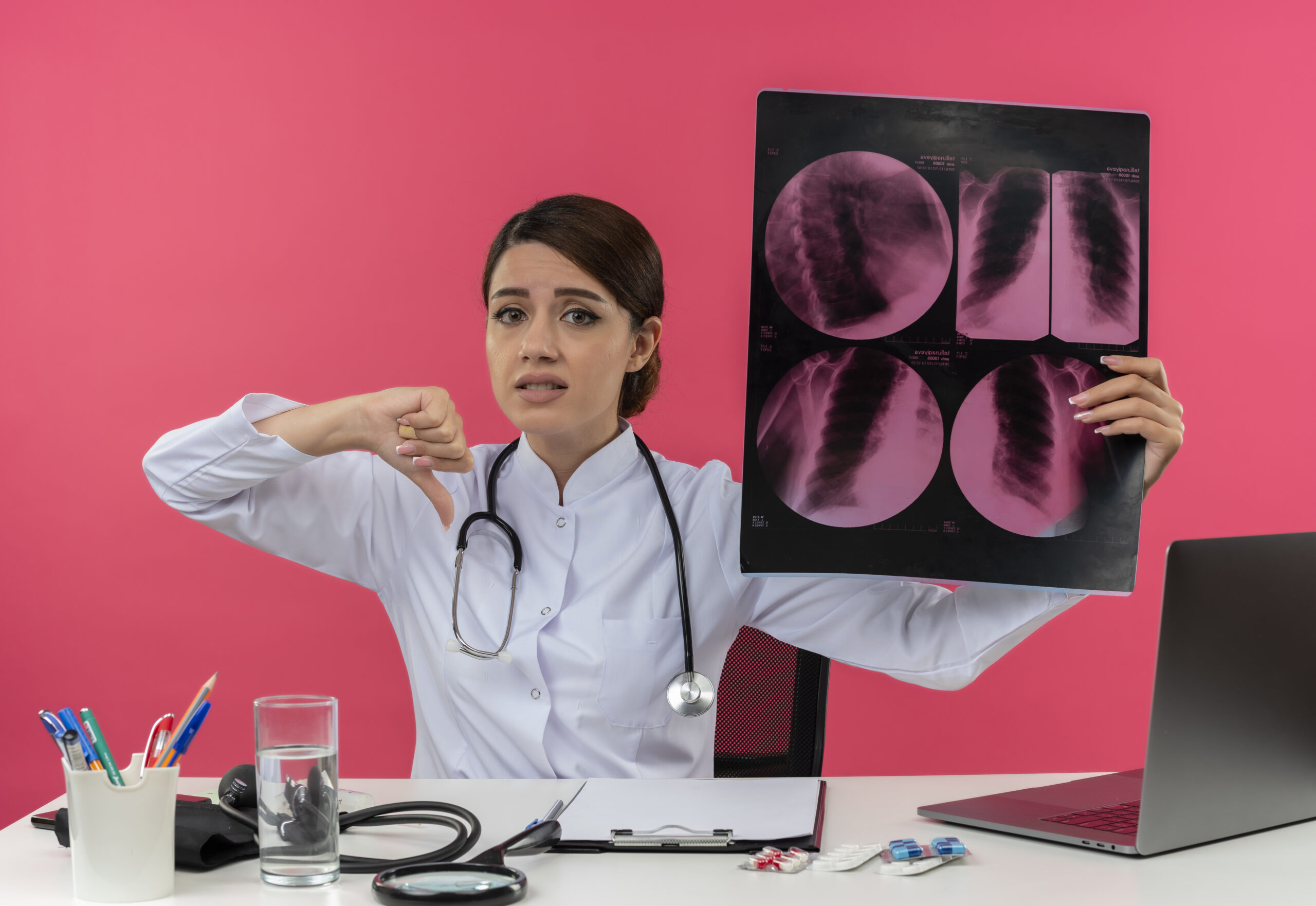
What is Bronchoscopy?
Bronchoscopy is a minimally invasive procedure used to examine the airways and lungs in detail. During the procedure, a thin and flexible tube called a bronchoscope — equipped with a light and camera — is gently inserted through the nose or mouth to provide a clear view of the respiratory tract.
Using bronchoscopy, Dr. Rushi Desai can accurately diagnose various lung and airway conditions, collect tissue samples for testing, remove blockages, and perform selected therapeutic procedures when required. The procedure plays an important role in the early detection and management of respiratory diseases.
Why Might You Need a Bronchoscopy?
Bronchoscopy is used for both diagnostic evaluation and therapeutic management of various respiratory conditions, including:
- Diagnosing Lung Diseases: Helps identify the cause of persistent cough, lung infections, breathing difficulties, or abnormalities detected on chest X-rays and CT scans.
- Biopsy Procedures: Enables collection of tissue or fluid samples from the lungs and airways to diagnose infections, inflammation, tuberculosis, interstitial lung disease, or lung cancer.
- Therapeutic Treatment: Assists in removing mucus plugs, airway obstructions, or foreign bodies and may also help relieve blockage within the respiratory tract.
Bronchoscopy is a valuable tool for accurate diagnosis, early intervention, and effective management of complex lung conditions.
Our Bronchoscopy Services
- Bronchoscopy: Used to detect lung diseases, infections, airway abnormalities, and tumours through detailed examination of the respiratory tract.
- Therapeutic Bronchoscopy: Helps manage airway obstructions, remove foreign bodies, clear mucus plugs, and perform selected therapeutic interventions.
- Bronchoalveolar Lavage (BAL): A specialised procedure used to collect fluid samples from the lungs for detailed laboratory analysis and diagnosis of infections or inflammatory lung conditions.
- Endobronchial Ultrasound (EBUS): A minimally invasive advanced procedure that helps diagnose, evaluate, and stage lung cancer by assessing lymph nodes and surrounding structures within the chest.