- Brooklyn, NY 10036, United States
- Mon - Sat 9:00AM - 6:00PM
- Call: 1-800-123-1234
- Emergency: 1-800-123-1235

I enjoy getting to know my patients and building meaningful relationships
Online appointment process makes it easy for you to book for any one of our services.
Occupational Lung Diseases
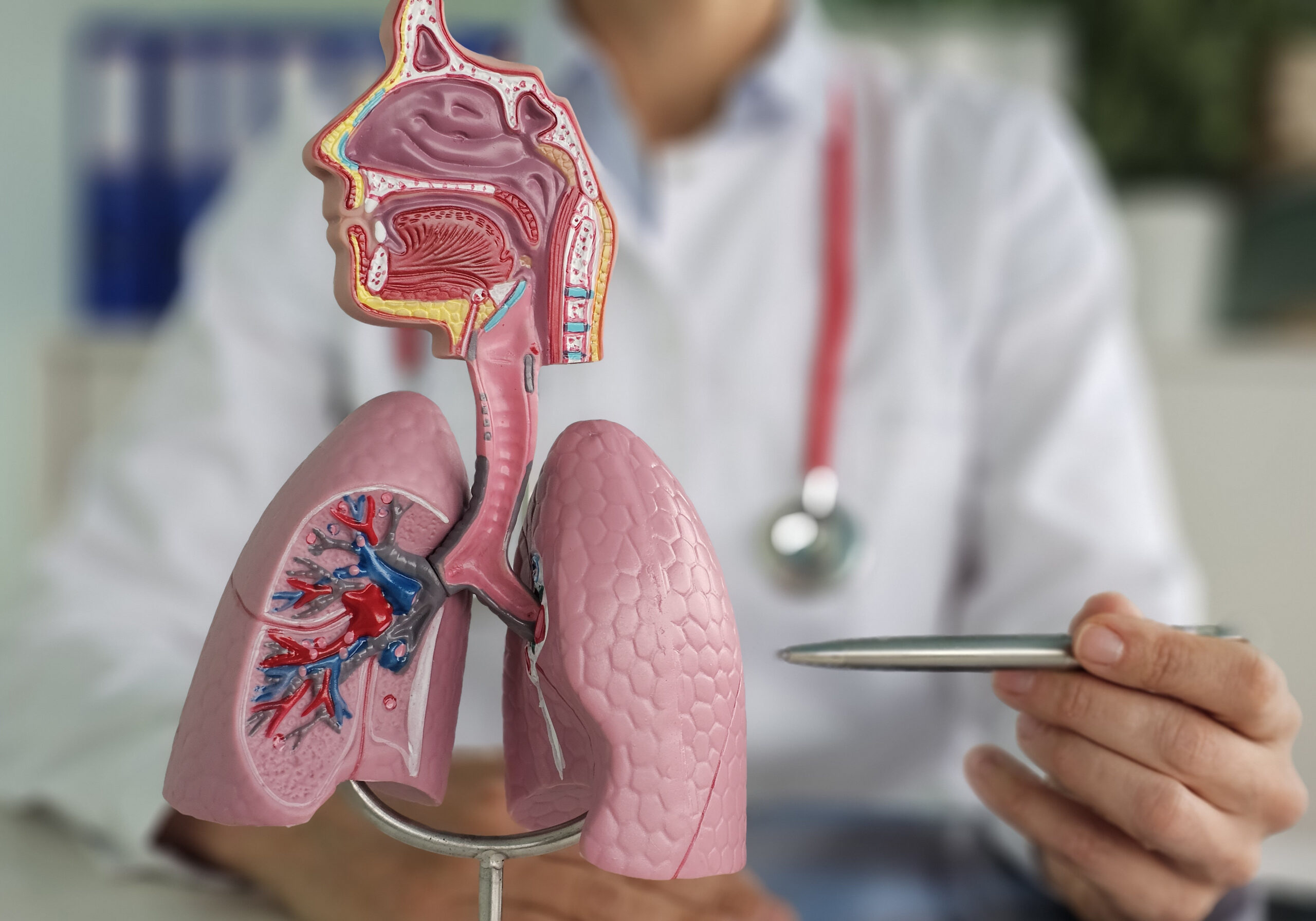
What are occupational lung diseases?
Occupational lung diseases are respiratory conditions that develop due to long-term exposure to harmful substances in the workplace. These conditions can damage the lungs and airways, often leading to chronic breathing problems and reduced lung function over time.
Common workplace exposures linked to occupational lung diseases include dust, chemical fumes, smoke, asbestos, silica, and other airborne pollutants found in industries such as construction, mining, manufacturing, agriculture, and factory environments.
Early identification, protective workplace measures, and timely medical intervention are essential to prevent complications and maintain long-term respiratory health.
Types of occupational lung diseases
Common Types of Occupational Lung Diseases
- Pneumoconiosis: A group of lung diseases caused by inhaling harmful dust particles, leading to lung scarring and reduced breathing capacity. Common types include:
- Asbestosis: Caused by prolonged exposure to asbestos fibres
- Silicosis: Develops due to inhalation of silica dust
- Coal Workers’ Pneumoconiosis (Black Lung Disease): Caused by long-term exposure to coal dust
- Occupational Asthma: Triggered by exposure to workplace irritants such as chemicals, fumes, gases, or dust, resulting in airway inflammation and breathing difficulties.
- Chronic Obstructive Pulmonary Disease (COPD): Long-term exposure to tobacco smoke, industrial fumes, chemicals, and dust can contribute to the development of COPD.
- Hypersensitivity Pneumonitis: An inflammatory lung condition caused by allergic reactions to inhaled organic dust, molds, fungi, or other environmental particles.
- Occupational Bronchitis: Chronic inflammation of the airways caused by repeated exposure to respiratory irritants in workplace environments.
Early diagnosis, workplace safety measures, and timely treatment are essential to prevent permanent lung damage and maintain respiratory health.
What causes occupational lung disease?
Occupational lung diseases are mainly caused by repeated inhalation of harmful substances present in workplace environments. Long-term exposure to these irritants can damage the lungs and airways, leading to chronic respiratory conditions.
Common workplace hazards include:
- Dust: Exposure to asbestos, silica, coal, wood, cotton, and metal dust can cause significant lung damage over time.
- Fumes: Welding fumes, metal fumes, and industrial chemical fumes may irritate and inflame the respiratory system.
- Gases: Toxic gases such as chlorine, ammonia, and sulfur dioxide can harm lung tissue and affect breathing function.
- Vapours: Frequent exposure to solvents, paints, adhesives, and cleaning chemicals may contribute to respiratory illness.
- Molds and Fungi: Damp or poorly ventilated workplaces can expose workers to molds and fungal spores, increasing the risk of allergic and inflammatory lung conditions.
Proper workplace safety measures, protective equipment, and early medical evaluation are essential for preventing occupational lung diseases and preserving long-term respiratory health.
What are the symptoms of occupational lung diseases?
Symptoms of occupational lung diseases can vary depending on the type and severity of the condition. Common signs and symptoms may include:
- Chronic or persistent cough
- Shortness of breath
- Wheezing or noisy breathing
- Chest tightness or discomfort
- Fatigue and reduced stamina
- Difficulty breathing during physical activity
If these symptoms develop or worsen in relation to workplace exposure, it is important to seek medical evaluation early to prevent long-term lung damage and complications.
How is occupational lung disease diagnosed?
Diagnosis of Occupational Lung Diseases
- Medical History: A detailed evaluation of occupational exposure, work environment, duration of exposure to harmful substances, and the progression of symptoms.
- Physical Examination: Comprehensive clinical assessment focused on respiratory function and identifying signs of lung or airway disease.
- Pulmonary Function Tests (PFTs): Specialised breathing tests used to measure lung capacity, airflow limitation, and gas exchange efficiency.
- Imaging Studies: Chest X-rays and CT scans help detect lung inflammation, fibrosis, scarring, nodules, or other structural abnormalities.
- Laboratory Tests: Blood investigations and sputum analysis may be performed to identify infections, inflammation, or allergic reactions.
- Bronchoscopy: A minimally invasive procedure using a flexible camera-equipped tube to examine the airways and collect tissue or fluid samples for further analysis when required.
Accurate and early diagnosis is essential for effective treatment, prevention of disease progression, and long-term respiratory health management.