- Brooklyn, NY 10036, United States
- Mon - Sat 9:00AM - 6:00PM
- Call: 1-800-123-1234
- Emergency: 1-800-123-1235

I enjoy getting to know my patients and building meaningful relationships
Online appointment process makes it easy for you to book for any one of our services.
Thoracoscopy
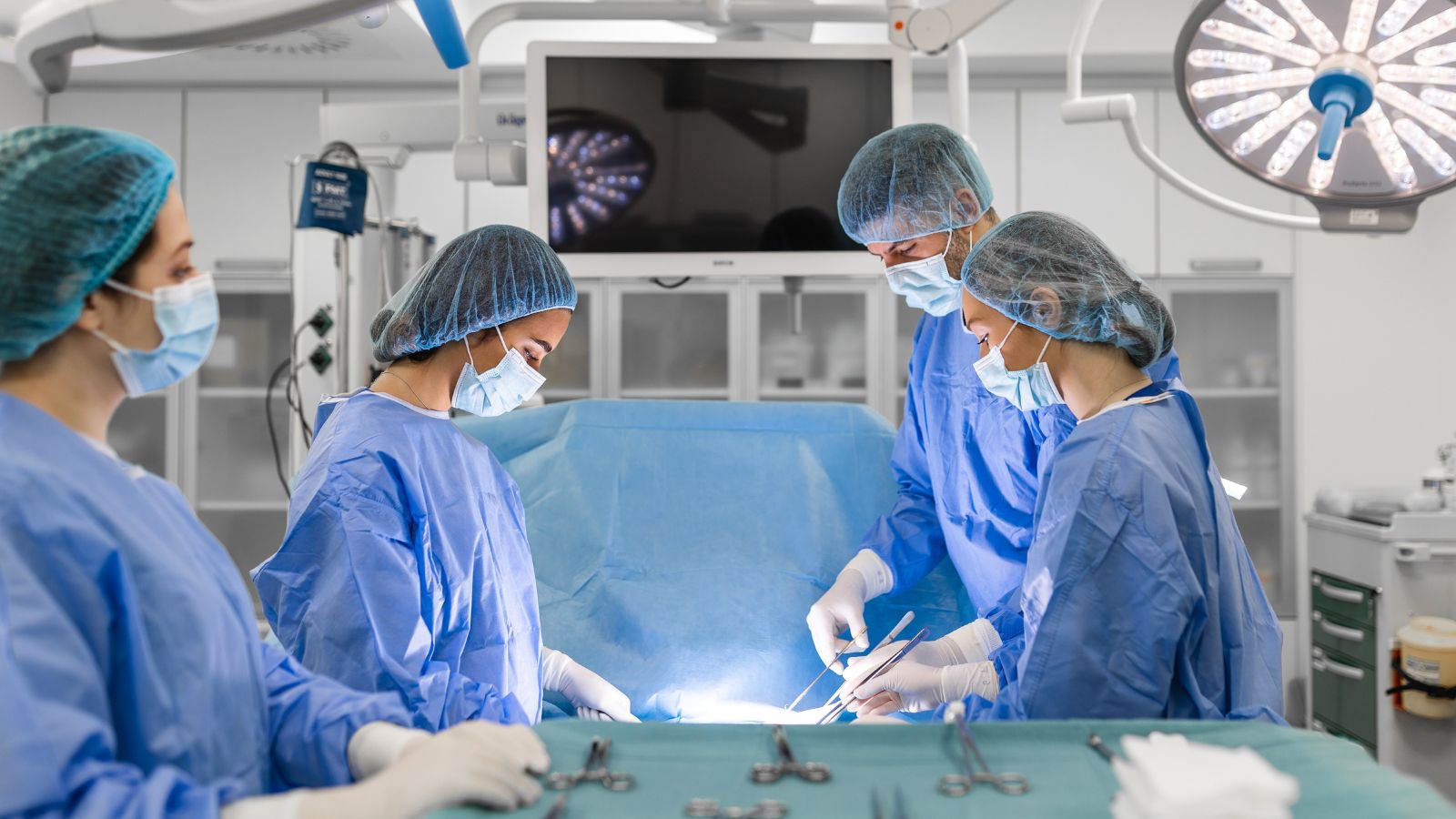
What is Thoracoscopy?
Thoracoscopy, also known as pleuroscopy, is a minimally invasive procedure used to examine the pleural space — the area between the lungs and the chest wall. The procedure involves inserting a thin instrument equipped with a camera through a small incision in the chest, allowing detailed visualisation of the pleura and surrounding structures.
Thoracoscopy is commonly used to diagnose and treat conditions affecting the pleura, lungs, and chest cavity, including pleural effusion, infections, pleural thickening, and certain lung or pleural cancers. It also enables doctors to collect tissue samples (biopsy) and perform selected therapeutic procedures with greater accuracy and minimal discomfort.
Why Do You Need Thoracoscopy?
Why is Thoracoscopy Performed?
Thoracoscopy is a minimally invasive procedure used for both diagnosing and treating various lung and chest conditions. It allows doctors to directly examine the pleural space, lungs, and chest cavity with greater precision.
Diagnosing Lung Conditions
Thoracoscopy helps identify the cause of respiratory symptoms such as persistent cough, breathlessness, chest pain, or coughing up blood. It provides a detailed internal view of the lungs and pleura to detect abnormalities, infections, inflammation, or tumours.
Evaluating Abnormal Chest Findings
When imaging tests such as chest X-rays or CT scans reveal suspicious areas, thoracoscopy allows closer examination and tissue sampling (biopsy). Samples may be collected from abnormal lung tissue, lymph nodes, the chest wall, or the pleura to help diagnose conditions such as lung cancer, pleural diseases, or mesothelioma.
Treatment of Certain Lung Conditions
Thoracoscopy may also be used therapeutically to remove small lung tumours or perform procedures such as wedge resection or lobectomy in selected patients. It can also assist in the management of cancers involving the pleura, oesophagus, or thymus gland.
Management of Pleural Effusion
The procedure is commonly used to drain excess fluid around the lungs (pleural effusion), helping relieve breathing difficulty and chest discomfort. The collected fluid can be analysed to detect infections, tuberculosis, or cancer. In recurrent cases, thoracoscopy may be used to perform pleurodesis — a procedure that helps prevent fluid from building up again.
Thoracoscopy offers both diagnostic accuracy and minimally invasive treatment benefits, making it an important procedure in modern respiratory and chest disease management.
Benefits of Thoracoscopy
Benefits of Thoracoscopy
- Minimally Invasive Procedure: Thoracoscopy involves small incisions compared to traditional open chest surgery, resulting in less pain, minimal scarring, and faster recovery.
- Accurate Diagnosis: The procedure allows direct visualisation of the pleural space and lungs, helping obtain precise diagnoses and targeted tissue biopsies when required.
- Effective Treatment Option: Thoracoscopy enables several therapeutic procedures such as fluid drainage, pleurodesis, and management of pleural or lung conditions with improved clinical outcomes.
- Shorter Hospital Stay: Due to its minimally invasive approach, patients usually experience reduced hospitalisation time and a quicker return to daily activities.
Thoracoscopy is considered a safe and effective procedure for diagnosing and treating a wide range of chest and pleural diseases.