- Brooklyn, NY 10036, United States
- Mon - Sat 9:00AM - 6:00PM
- Call: 1-800-123-1234
- Emergency: 1-800-123-1235

I enjoy getting to know my patients and building meaningful relationships
Online appointment process makes it easy for you to book for any one of our services.
Lung Cancer
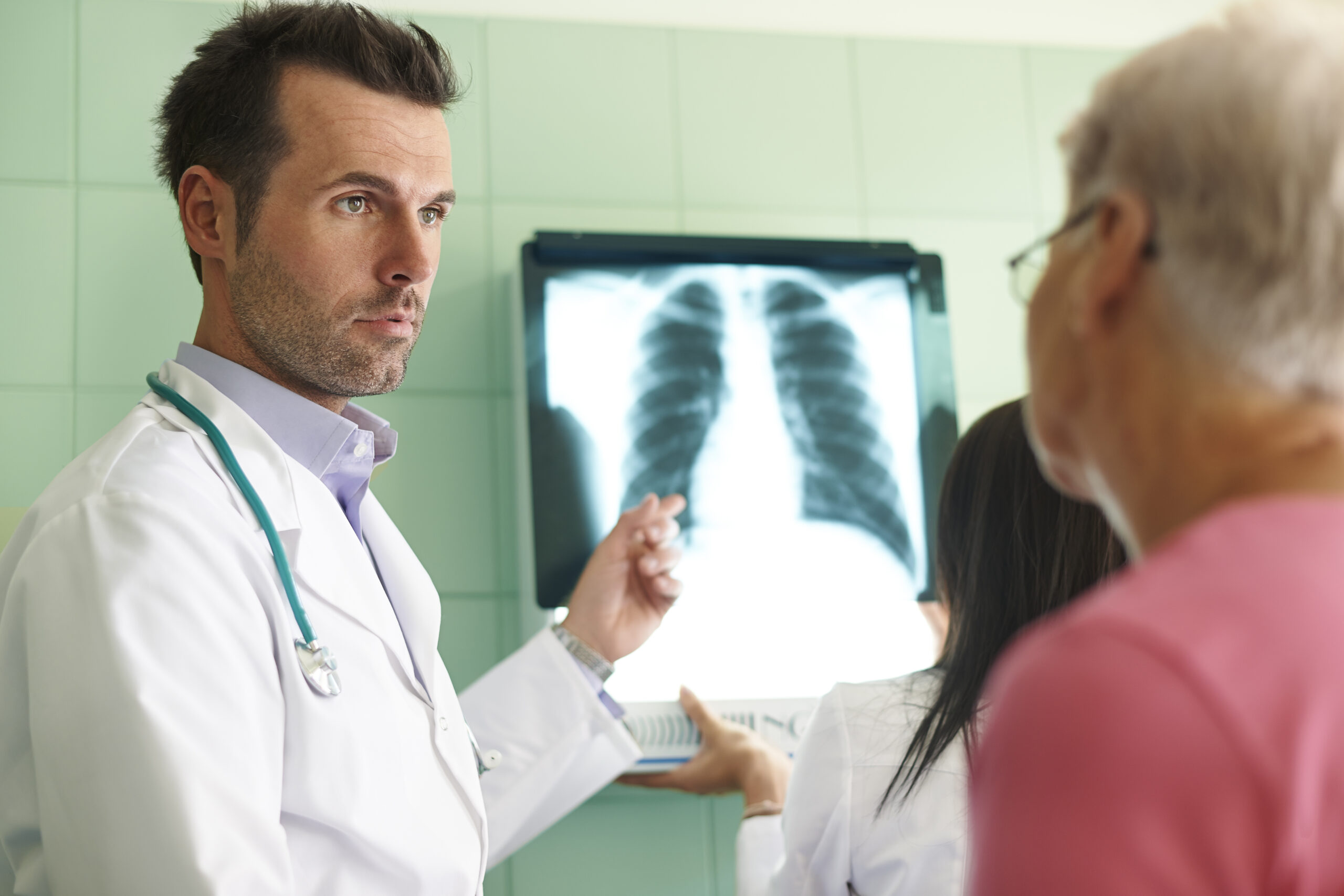
Understanding Lung Cancer
Lung cancer is one of the most common and serious forms of cancer worldwide. It begins in the lungs and, if not detected early, can spread to other parts of the body. The disease is broadly classified into two main types — Non-Small Cell Lung Cancer (NSCLC), which is the most common type, and Small Cell Lung Cancer (SCLC), which tends to grow and spread more rapidly.
Early diagnosis and timely treatment play a crucial role in improving outcomes and quality of life for lung cancer patients.
Symptoms of Lung Cancer
Recognising the early signs and symptoms of lung cancer is important for timely diagnosis and effective treatment. Some of the common symptoms include:
- Persistent or worsening cough
- Chest pain or discomfort
- Shortness of breath
- Hoarseness or voice changes
- Unexplained weight loss
- Coughing up blood
If you experience any of these symptoms, especially if they persist for several weeks, it is important to consult a healthcare specialist promptly for proper evaluation and diagnosis.
Risk Factors of Lung Cancer
Several factors can increase the risk of developing lung cancer. Understanding these risk factors can help with early detection and prevention:
- Smoking: The leading cause of lung cancer and responsible for the majority of cases
- Exposure to secondhand smoke: Regular exposure can significantly increase risk, even in non-smokers
- Exposure to asbestos and other carcinogens: Long-term exposure to harmful substances such as asbestos, radon, and industrial chemicals can damage lung tissue
- Family history of lung cancer: A genetic predisposition may increase the likelihood of developing the disease
- Chronic lung diseases: Conditions such as COPD, pulmonary fibrosis, or long-standing lung inflammation may elevate the risk
Reducing exposure to these risk factors and seeking regular medical evaluation can support early diagnosis and better health outcomes.
Diagnosis and Treatment of Lung Cancer
Comprehensive Lung Cancer Care & Treatment
- Advanced Diagnostic Tools: High-resolution CT scans, PET scans, bronchoscopy, and biopsy procedures help ensure accurate and early diagnosis of lung cancer.
- Personalised Treatment Plans: Treatment is customised based on the type, stage, and overall condition of the patient. Options may include surgery, chemotherapy, radiation therapy, immunotherapy, and targeted therapies.
- Multidisciplinary Approach: A coordinated team of oncologists, pulmonologists, radiologists, pathologists, and thoracic surgeons work together to provide comprehensive and patient-focused care.
- Supportive Care Services: Pain management, nutritional guidance, pulmonary rehabilitation, and emotional counselling are integrated into treatment to improve comfort and quality of life throughout the recovery journey.