- Brooklyn, NY 10036, United States
- Mon - Sat 9:00AM - 6:00PM
- Call: 1-800-123-1234
- Emergency: 1-800-123-1235

I enjoy getting to know my patients and building meaningful relationships
Online appointment process makes it easy for you to book for any one of our services.
COPD
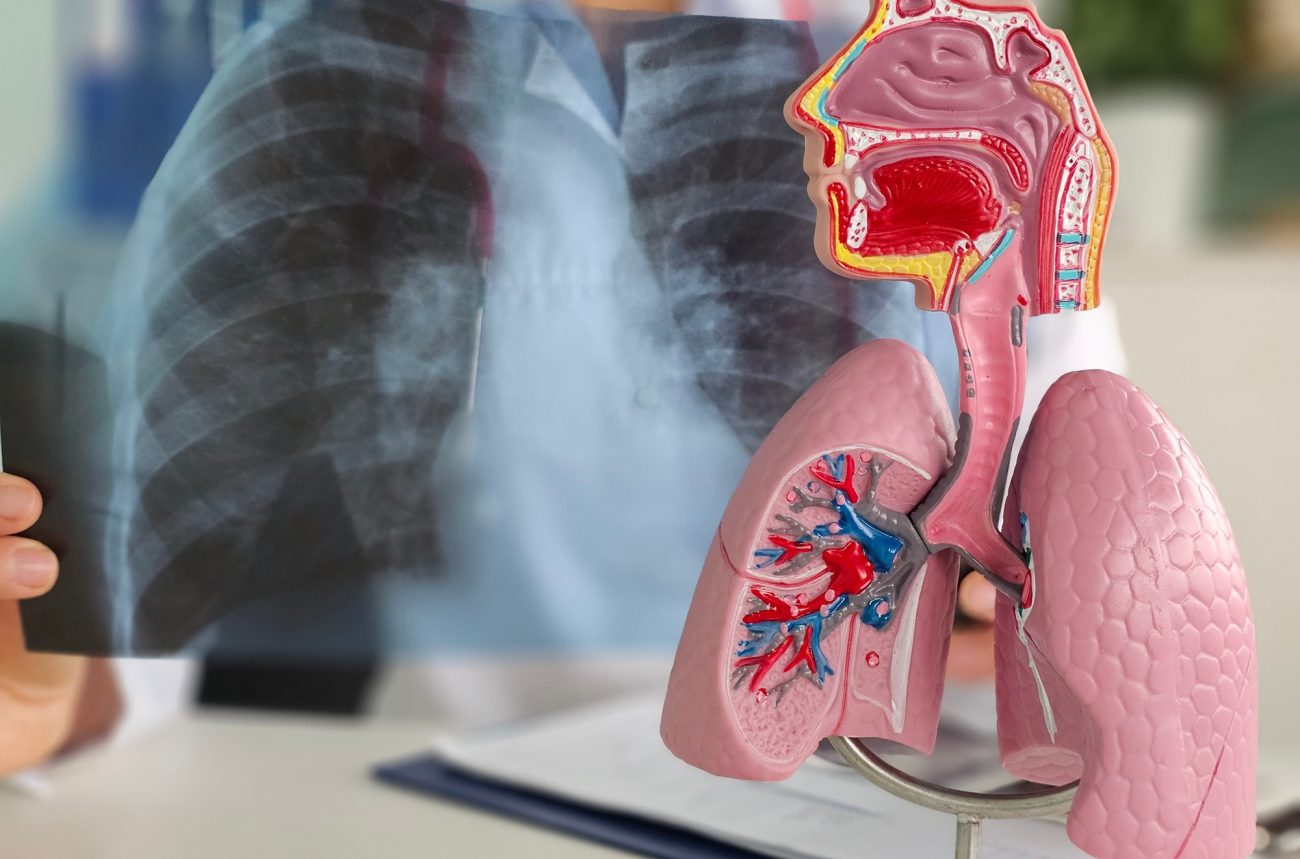
What is COPD?
Chronic Obstructive Pulmonary Disease (COPD) is a group of chronic lung conditions that cause airflow limitation and difficulty in breathing. It is a progressive respiratory disease that commonly develops due to long-term exposure to smoking or harmful air pollutants.
The two main forms of COPD include:
- Chronic Bronchitis: Characterised by long-term inflammation of the airways, leading to persistent cough and excessive mucus production.
- Emphysema: Involves gradual damage to the air sacs (alveoli) in the lungs, reducing the lungs’ ability to exchange oxygen effectively. Smoking is the most common cause.
Early diagnosis, smoking cessation, and proper medical management can help control symptoms, improve breathing, and enhance quality of life.
Symptoms of COPD
Common symptoms of Chronic Obstructive Pulmonary Disease (COPD) may develop gradually and worsen over time. These symptoms often include:
- Shortness of breath, especially during physical activity
- Wheezing or a whistling sound while breathing
- Chest tightness or discomfort
- Persistent cough with mucus (sputum) production
- Frequent respiratory infections
- Ongoing fatigue or reduced energy levels
If these symptoms persist or interfere with daily activities, it is important to seek medical evaluation for early diagnosis and effective management of COPD.
Causes and Risk Factors
The primary cause of Chronic Obstructive Pulmonary Disease (COPD) is long-term exposure to irritants that damage the lungs and airways. Cigarette smoking remains the most common cause of COPD worldwide.
Other important risk factors include:
- Long-term exposure to air pollution, chemical fumes, industrial smoke, and dust
- Genetic conditions such as alpha-1 antitrypsin deficiency
- A history of recurrent childhood respiratory infections
- Prolonged exposure to indoor smoke from biomass fuels or poor ventilation
Identifying and reducing exposure to these risk factors can help lower the chances of developing COPD and slow disease progression.
Diagnosis and Treatment
Diagnosing Chronic Obstructive Pulmonary Disease (COPD) involves a detailed clinical evaluation, assessment of symptoms, and specialised diagnostic tests. Common investigations may include spirometry, chest X-rays, pulmonary function tests, and CT scans to evaluate lung function and identify the severity of airway damage.
Using these advanced diagnostic tools, Dr. Rushi Desai accurately diagnoses and stages COPD, helping create personalised treatment plans tailored to each patient’s condition and respiratory needs.
Treatment Options
Although there is no permanent cure for Chronic Obstructive Pulmonary Disease (COPD), effective treatment can help control symptoms, slow disease progression, and improve quality of life.
COPD Treatment Options
- Medications: Bronchodilators, inhalers, corticosteroids, and antibiotics may be prescribed to relieve symptoms, improve airflow, and reduce the risk of flare-ups and infections.
- Pulmonary Rehabilitation: A structured program combining exercise training, breathing techniques, education, and lifestyle guidance to improve lung function and daily activity levels.
- Oxygen Therapy: Recommended for patients with advanced COPD and low blood oxygen levels to support breathing and maintain oxygen supply to the body.
- Lifestyle Modifications: Quitting smoking, avoiding environmental pollutants and lung irritants, maintaining a healthy diet, and staying physically active are essential for long-term COPD management.
Early diagnosis and consistent treatment play a key role in helping COPD patients lead a healthier and more active life.
Living with COPD
Managing Chronic Obstructive Pulmonary Disease (COPD) requires a combination of medical treatment, regular monitoring, and healthy lifestyle changes. Comprehensive and long-term care can help control symptoms, reduce complications, and improve overall respiratory health.
Dr. Rushi Desai provides personalised COPD management plans that focus on symptom control, lung function improvement, and enhancing quality of life. Regular follow-ups, proper medication adherence, smoking cessation, and participation in pulmonary rehabilitation programs play an important role in effective long-term COPD care.
With timely treatment and consistent lifestyle management, many COPD patients can continue to lead active and healthier lives.